Austin is known for its vibrant lifestyle and diverse neighborhoods — each a distinct micro-market with its own culture, pricing dynamics, and long-term investment profile.
Understanding these neighborhoods is not about memorizing statistics. It is about knowing which factors drive value, who lives there, what daily life actually feels like, and how each area is positioned for the future.
Neighborhood boundaries in Austin are not arbitrary. They reflect geographic, cultural, and economic realities that shape property values, market pace, and buyer behavior. For both buyers and sellers, understanding these distinctions is a competitive advantage.
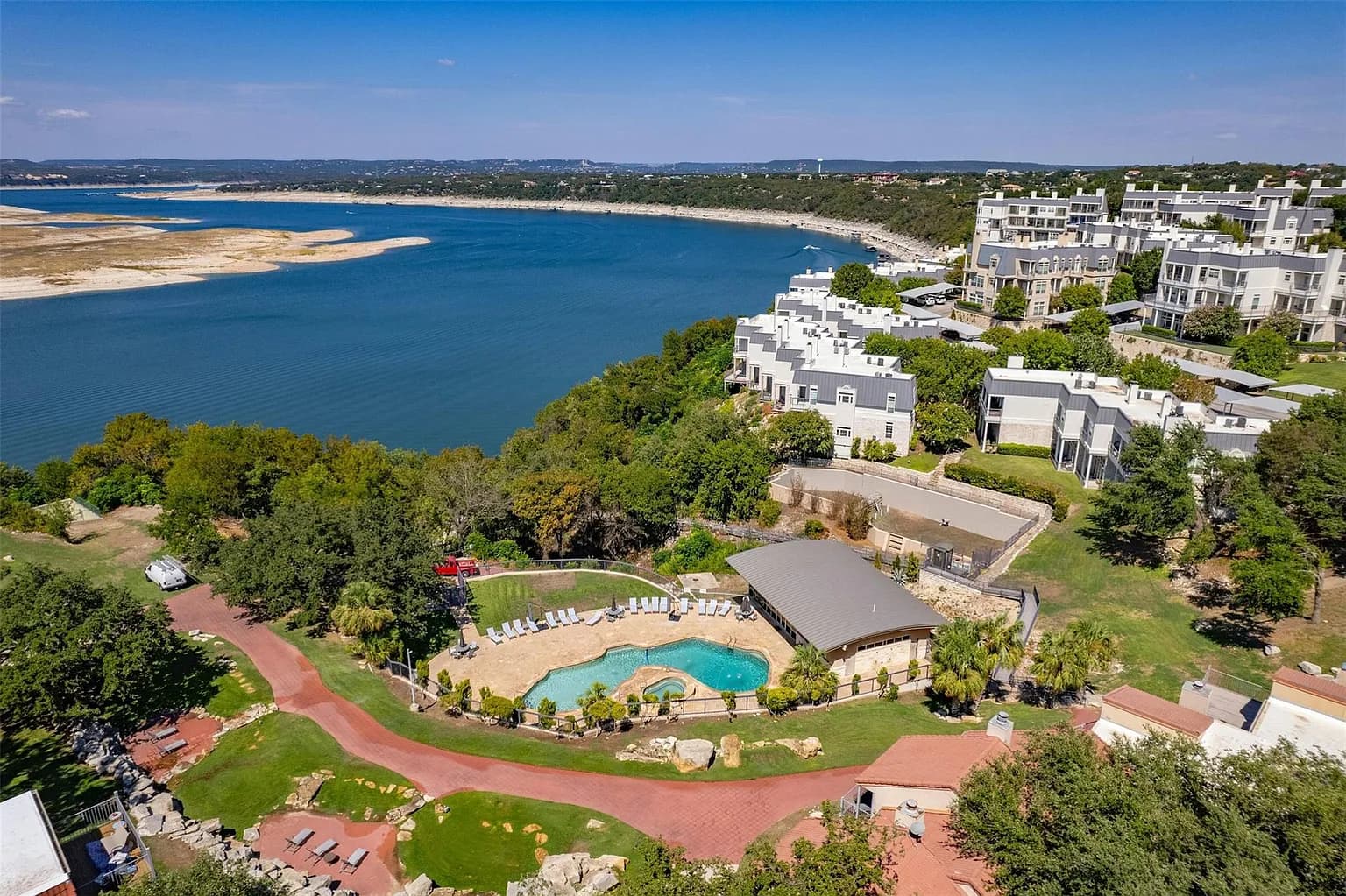
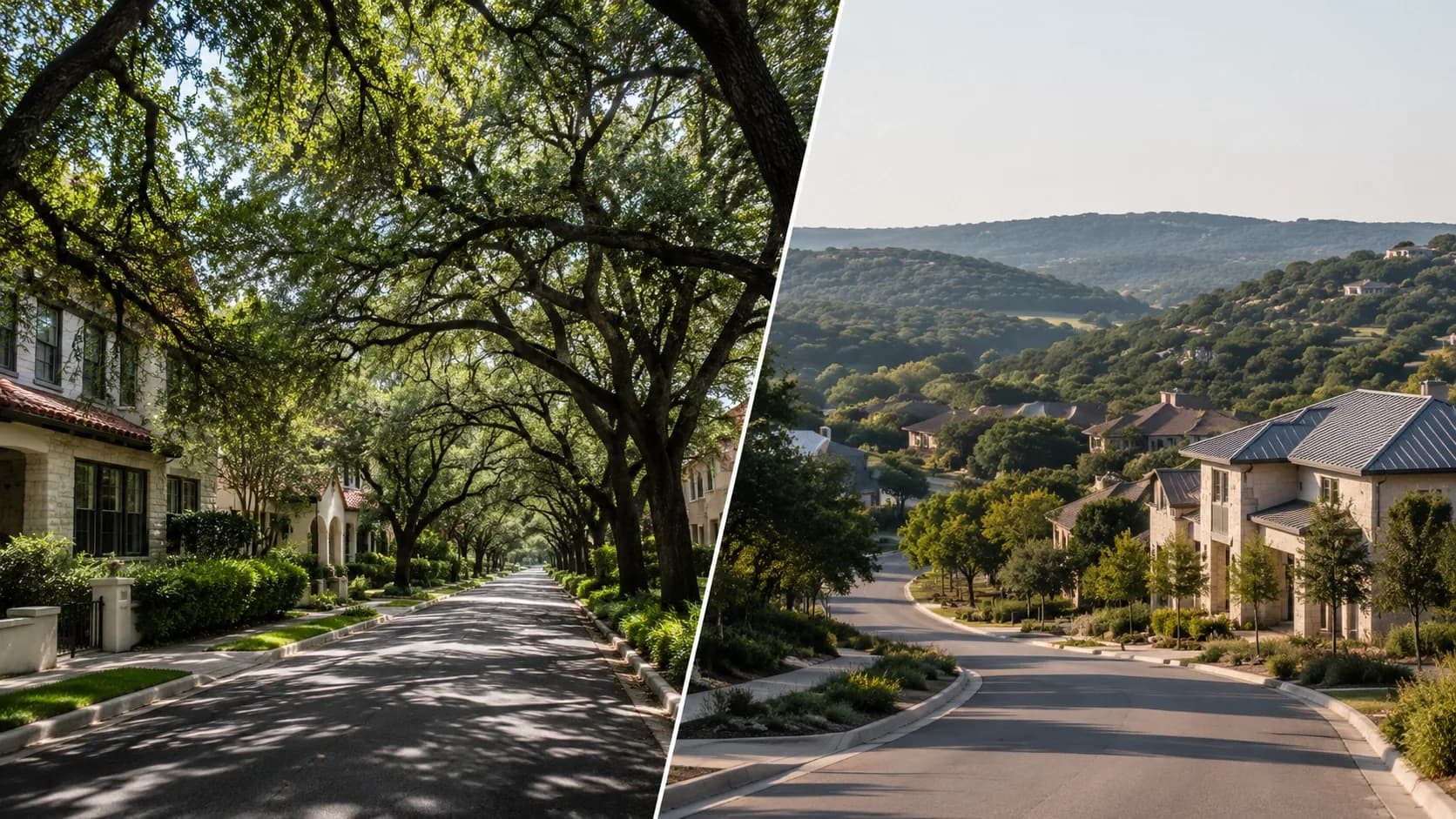
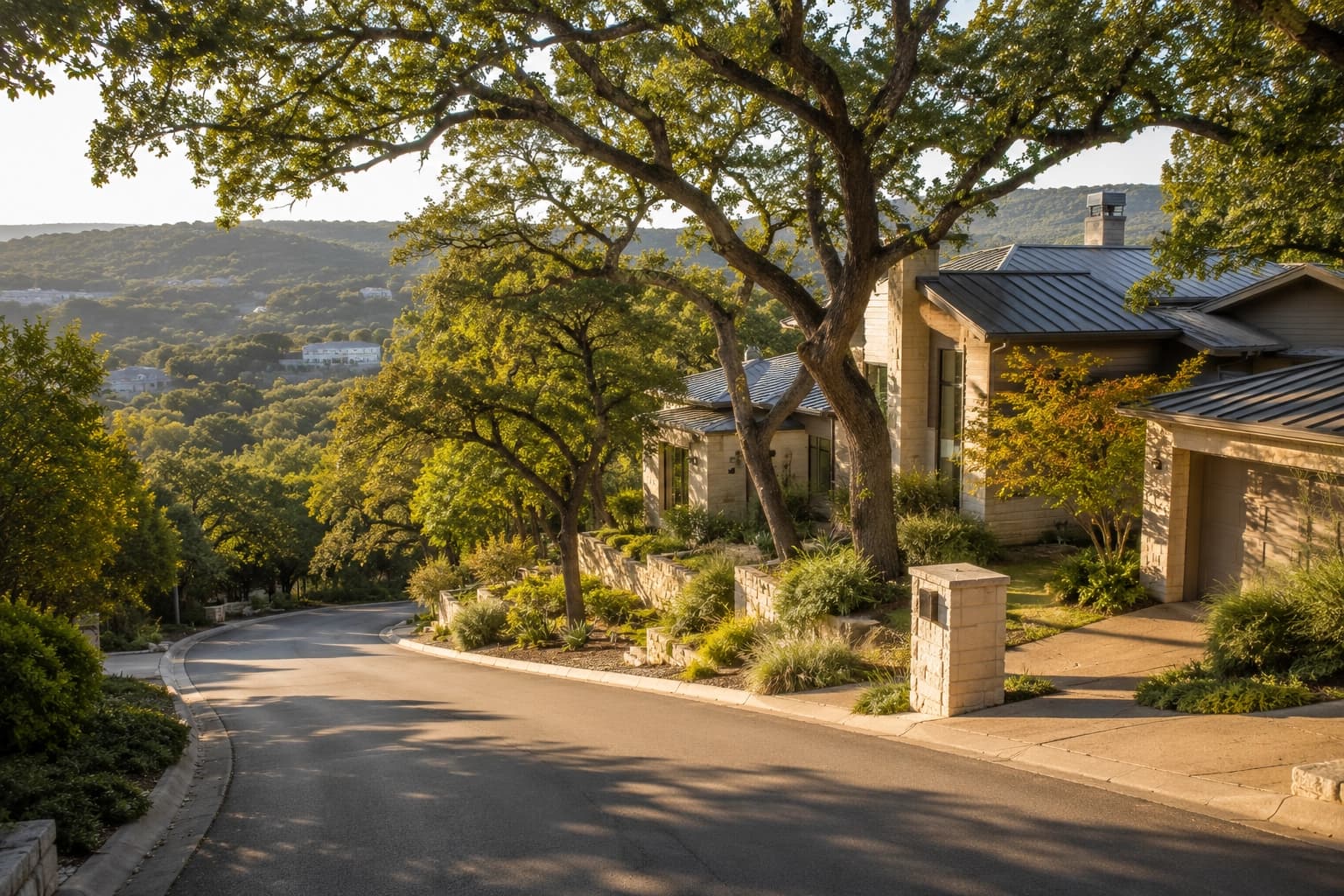
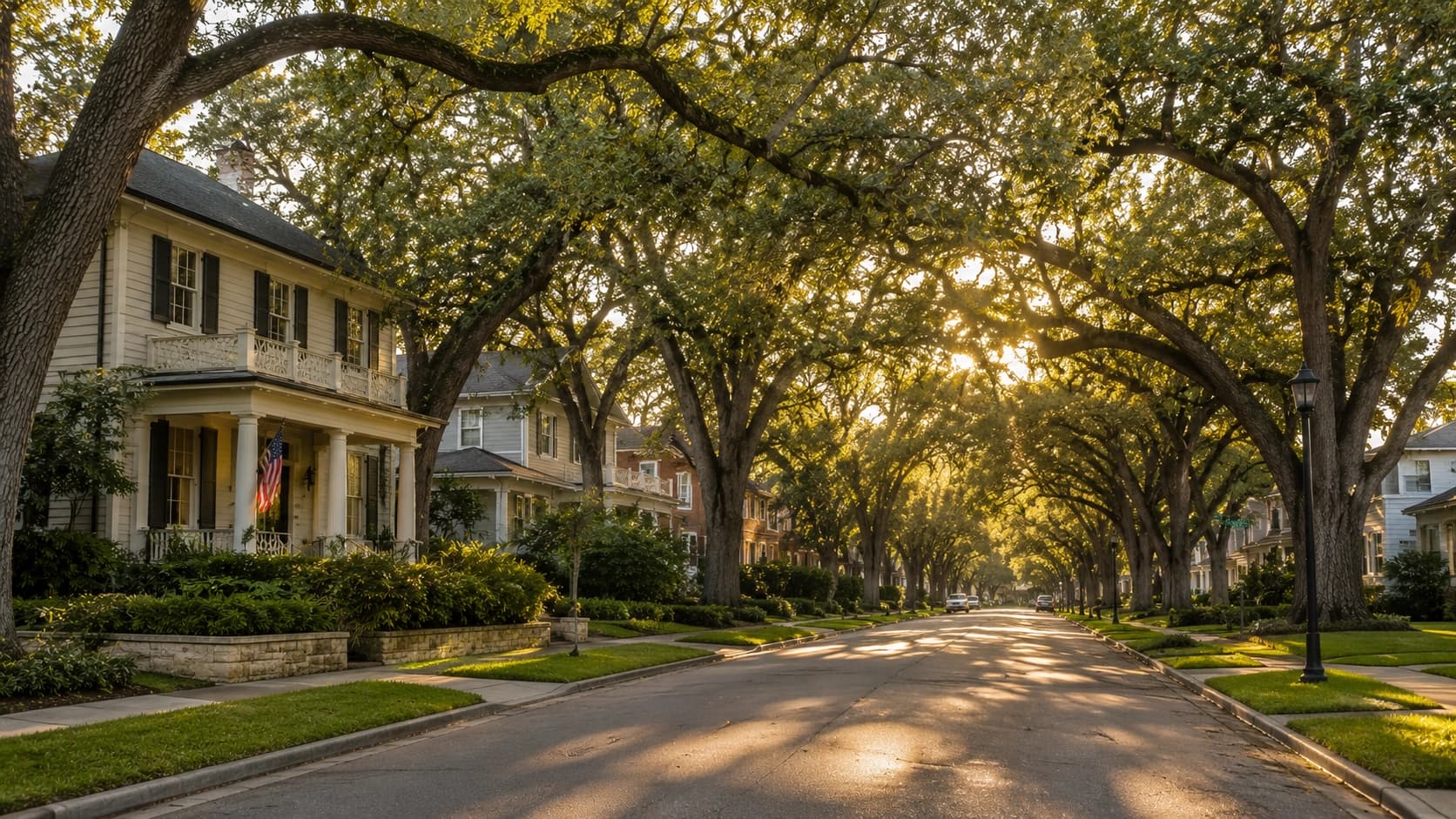
Tarrytown is one of Austin's most coveted neighborhoods — lush landscapes, scenic views, a mix of historic homes and new construction, and proximity to both downtown and the lake. It draws buyers who value established community character alongside premium amenities.
Westlake is defined by its reputation for top-ranking schools, upscale living, and access to innovative dining and shopping. Buyers here are primarily families and professionals seeking luxury in a quieter residential setting.
Barton Hills appeals to outdoor enthusiasts with its proximity to extensive biking and hiking trails. Its blend of natural beauty and community character attracts professionals and households who want an active lifestyle without leaving the city.
East Austin has evolved dramatically over the past decade. Once an affordable entry point, it now commands premium prices in many blocks — driven by cultural vibrancy, modern development, and sustained demand from younger buyers and creatives.
Current pricing benchmarks across key neighborhoods: Tarrytown ~$1,300,000 (competitive), Westlake ~$1,500,000 (highly competitive), Barton Hills ~$1,200,000 (active), Zilker ~$850,000 (strong demand), East Austin ~$700,000+ (rapidly evolving).
Lesser-known neighborhoods also merit attention. Mueller's planned community feel offers parks, walkable retail, and relative affordability. Del Valle is attracting commercial investment that typically precedes residential appreciation. Holly continues to grow as an east-side community with strong neighborhood identity.
For buyers, this directory is a starting point — not a substitute for working with an advisor who knows each block, each school zone, and each future development that could reshape value within the next five years.