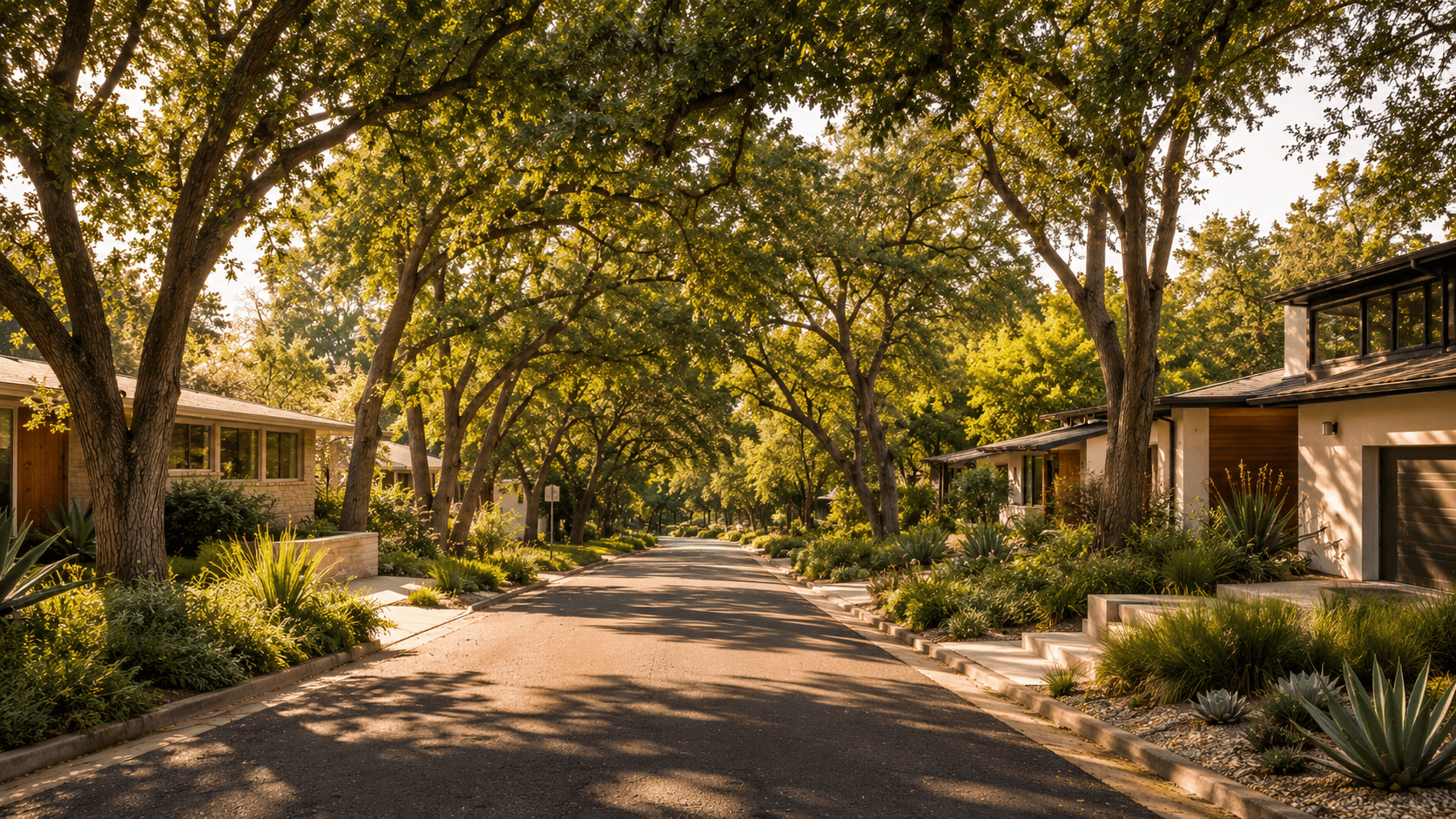
One of the most common questions people ask when moving to Austin is: "Which neighborhood is right for me?"
The answer depends entirely on lifestyle.
Austin is not a one-size-fits-all city. Every neighborhood has its own personality, pace, culture, and long-term value proposition. Understanding those differences is one of the most important parts of making a smart real estate decision.
For buyers seeking walkability, culture, and creative energy, South Congress continues to be one of Austin's most recognizable lifestyle destinations. With local boutiques, restaurants, coffee shops, and music venues, it offers a uniquely Austin atmosphere that appeals to both professionals and creatives.
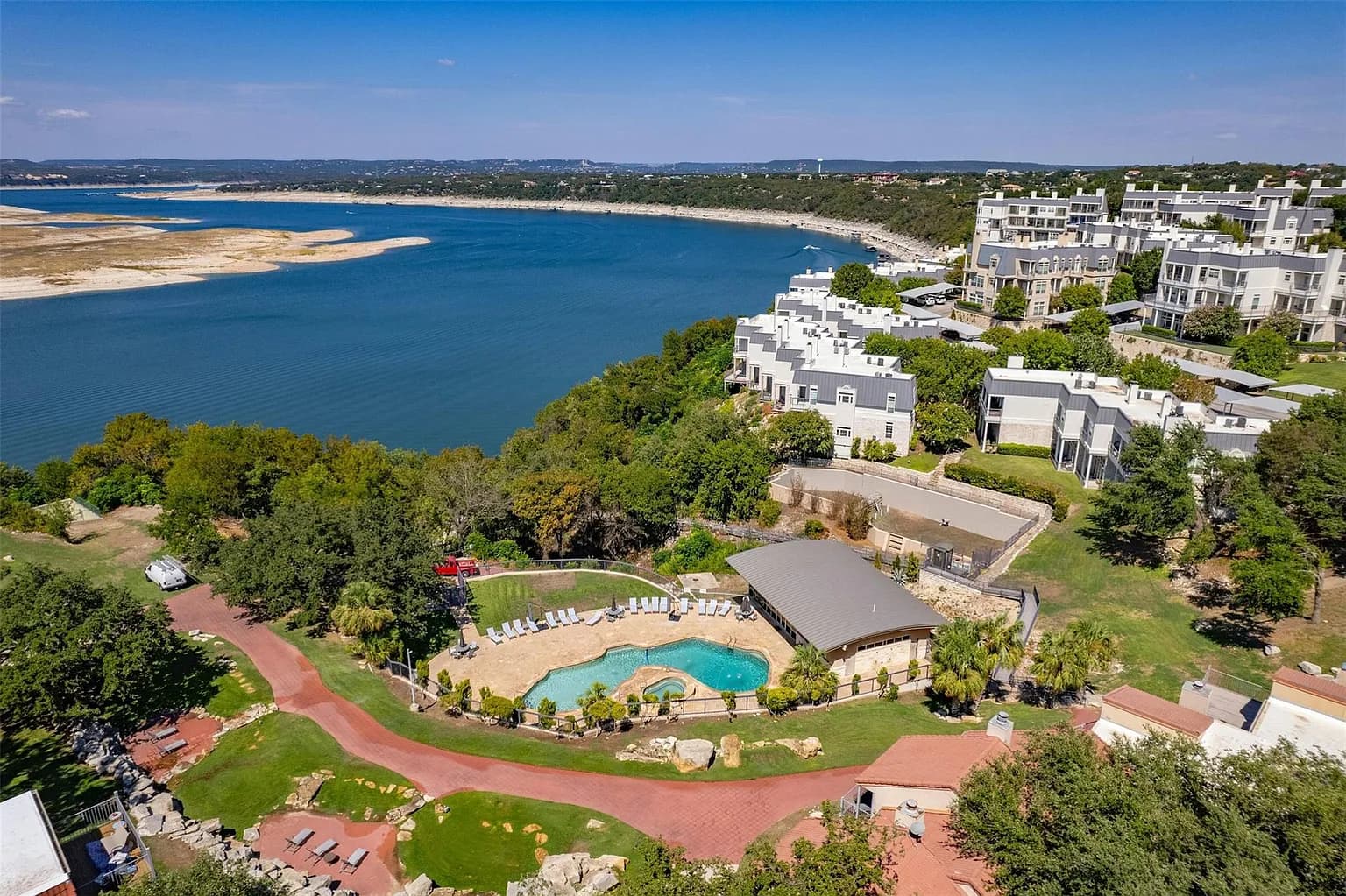
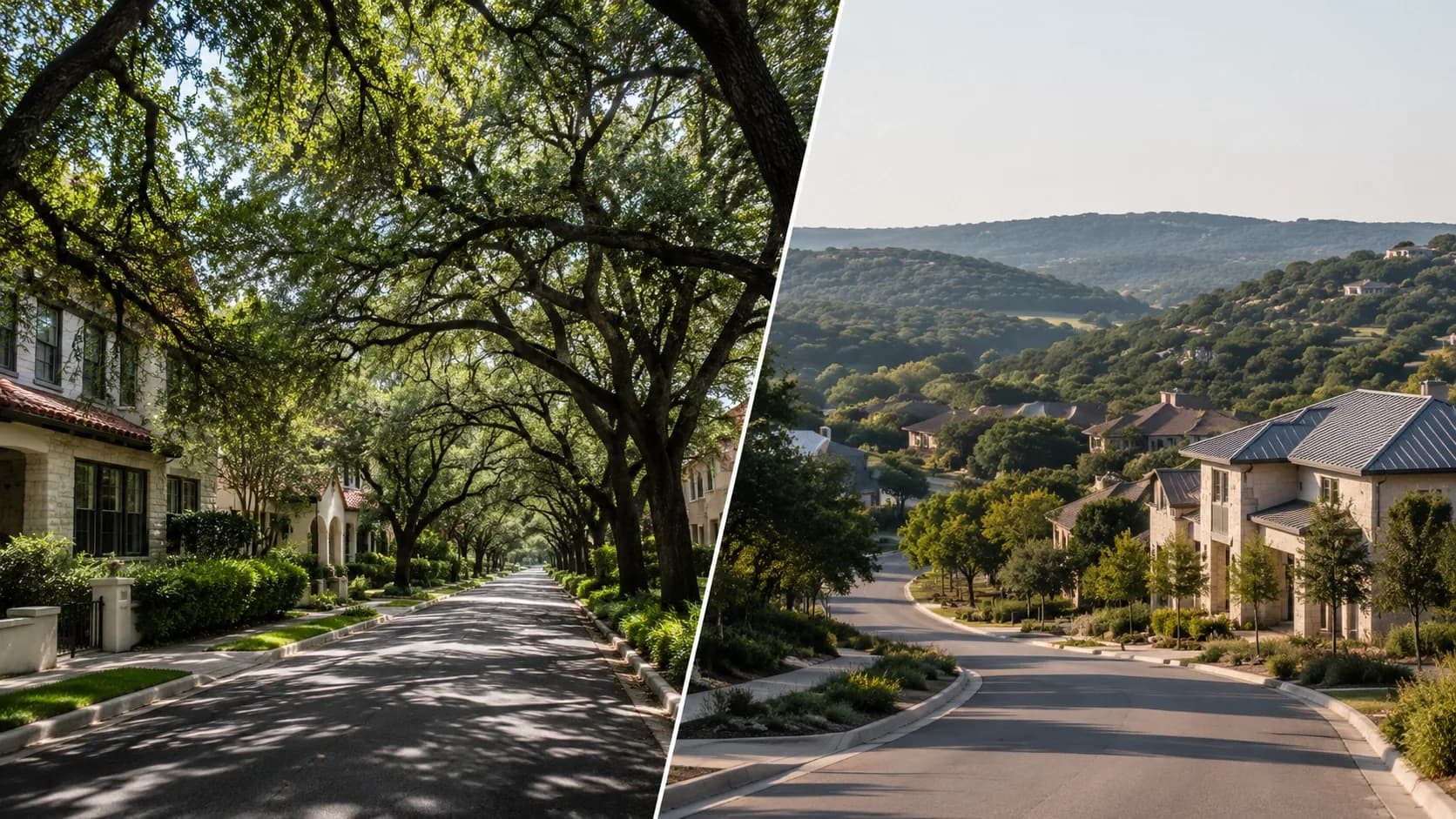
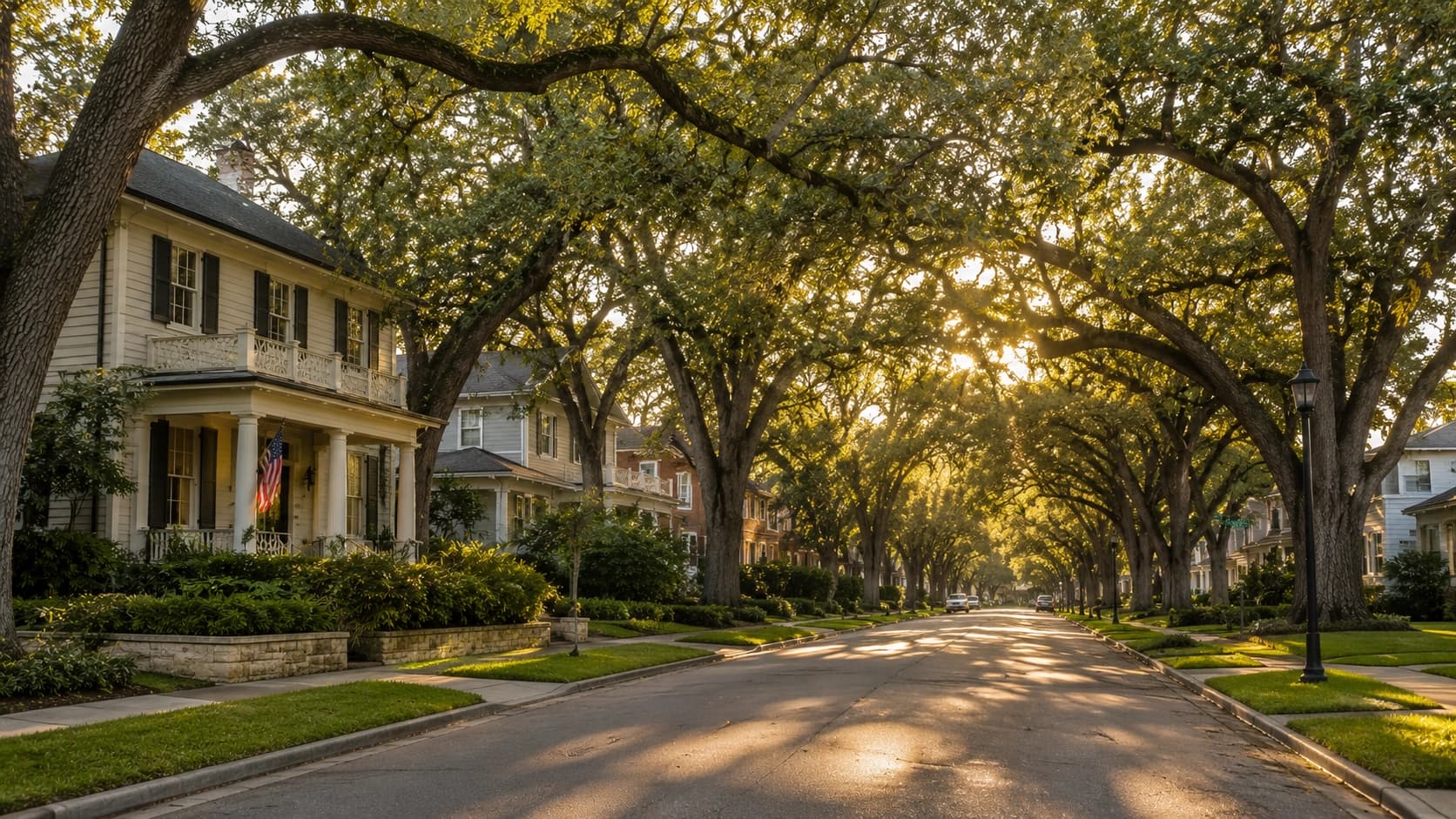
Families often gravitate toward areas like Westlake, Rollingwood, and parts of Tarrytown and Zilker because of schools, parks, community amenities, and long-term stability. These neighborhoods offer a more residential pace while still providing access to major employment centers and outdoor recreation.
East Austin continues to attract buyers looking for modern development, food culture, and urban energy. The area has evolved significantly over the past decade and remains one of Austin's most dynamic markets.
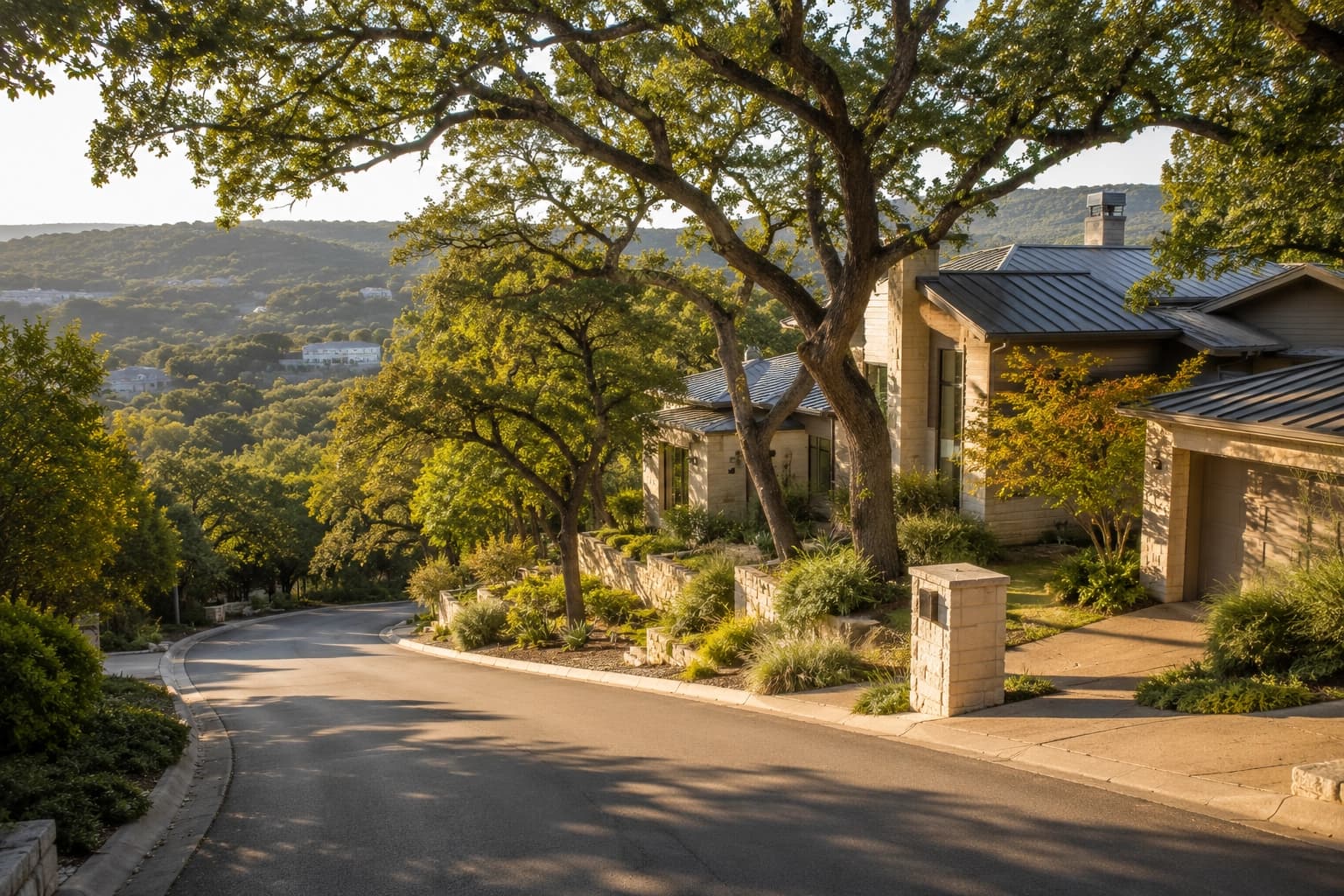
For luxury buyers seeking privacy, architecture, and elevated living, neighborhoods like Tarrytown, Barton Creek, and Westlake Hills continue to stand out. These areas combine prestige with strong long-term desirability.
Buyers relocating from larger metro areas are often surprised by how much lifestyle influences neighborhood choice in Austin.
Commute times, green space, social scene, school priorities, and even preferred coffee shops can dramatically shape where someone feels most connected.
That is why neighborhood intelligence matters.
A home is not just about square footage or finishes. It is about how daily life feels once you are there.
The right Austin neighborhood should support:
- your pace of life
- your priorities
- your future plans
- your routines
- your sense of community
Austin offers an incredible variety of lifestyles within a single city, which is part of what makes the market so unique.
The key is understanding which micro-market aligns best with the life you actually want to build.