Buyers and sellers tend to focus on the negotiation, the inspection, and the closing date. The appraisal sits in the middle of the process, mostly out of sight, until it comes back lower than the contract price — at which point it can reshape the whole deal.
Understanding how appraisals work removes most of the anxiety around them. This guide explains who orders an appraisal, what an appraiser actually looks at, how an appraisal differs from other valuations, and what your options are if the number comes in short.
The Short Version
An appraisal is an independent valuation ordered by the lender to confirm the property supports the loan. The appraiser estimates market value using the home's condition and recent comparable sales. The lender generally lends based on the lower of the price or the appraised value. If it comes in low, options include renegotiating, covering the gap in cash, asking the lender to reconsider the value with additional comparables, or exiting under an appraisal contingency. It is different from a home inspection and from the county's tax appraisal.
Why Lenders Require an Appraisal
A mortgage is secured by the property, so the lender wants confidence the home is worth at least what it's lending against. The appraisal protects the lender, and by extension prevents a buyer from overpaying with borrowed money. The buyer typically pays the appraisal fee, usually a few hundred dollars, as part of closing costs, and the lender orders it, often through an appraisal management company so the buyer and agents can't influence the appraiser.
What an Appraiser Actually Does
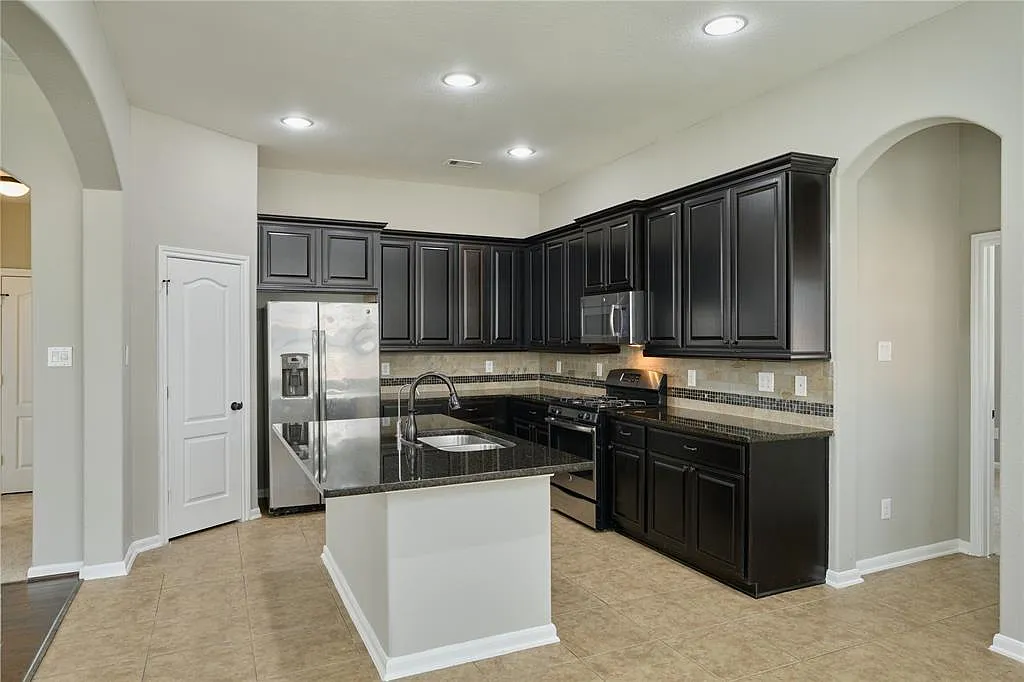
A licensed appraiser visits the home, measures it, notes its condition, features, and upgrades, and documents the neighborhood. Then they research recent sales of similar nearby homes — comparables — and adjust for differences like size, age, condition, lot, and finishes to estimate what your home would sell for. They deliver a report to the lender, who uses it to decide how much it will lend.
In Texas, sale prices are generally not recorded in public records, so appraisers lean heavily on MLS data and other broker sources for comparables, which is one reason a well-documented, recent comparable sale matters.
Appraisal vs. Inspection vs. Tax Appraisal
These three are often confused. An appraisal estimates market value for the lender. A home inspection evaluates condition and systems for the buyer, as the companion inspection guide explains. And the county appraisal district's tax appraisal estimates value for property taxes, with its own process and protest rights. Each answers a different question, and a number from one doesn't determine the others.
When an Appraisal Comes In Low
A low appraisal means the appraiser's value is below the contract price. Because the lender will lend based on the lower number, the difference has to be resolved. In a fast-moving market, an appraisal gap can appear when a home sells above list price, as the companion offer-strategy guide discusses.
Your Options If It's Low
The parties can renegotiate the price, often meeting somewhere between the contract price and the appraisal. The buyer can pay the difference in cash, in addition to their down payment. The buyer can ask the lender to reconsider the value, submitting additional comparable sales the appraiser may have missed or errors in the report. If the contract includes an appraisal contingency, the buyer may be able to terminate. The right choice depends on your finances, your contract, and how you view the home's long-term value.
How Sellers and Buyers Can Prepare
Sellers can help the appraisal by making the home accessible, keeping a list of recent improvements, and giving the agent documentation of upgrades. Buyers can discuss appraisal-gap strategy with their agent and lender before making an offer, deciding in advance how much of a gap they could realistically cover. Local agents often know which recent sales best support a value and can pass relevant comparables to the lender.
An appraisal is a checkpoint, not a verdict. With a clear picture of how it works and a plan for a low result, buyers and sellers can keep a deal on track — or make a confident decision about whether to adjust it.