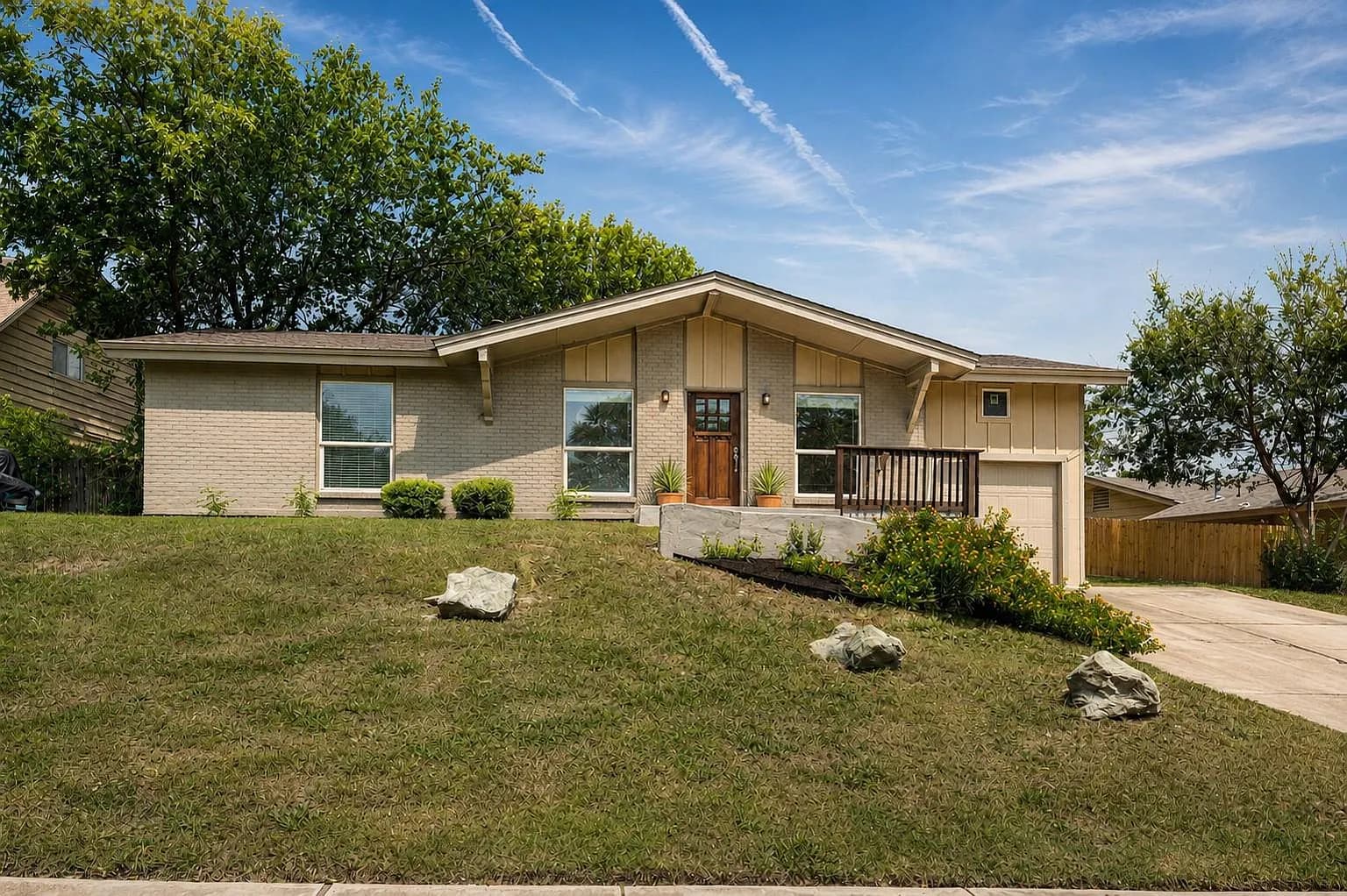
Not every home hits the market freshly painted and professionally staged. Inherited properties, long-held rentals, homes tied up in a life transition, or simply a seller who doesn't have the time, money, or desire to renovate before selling — all of these are common, legitimate reasons to sell a home as-is, and none of them mean a seller has to accept a bad outcome.
Selling as-is is a real, well-understood strategy in Austin's market, not a last resort. But it comes with its own rules, its own buyer pool, and its own pricing logic — and sellers who understand all three tend to do meaningfully better than sellers who simply list the home and hope for the best.
This guide covers what selling as-is actually means under Texas law, who typically buys these homes, how to price one correctly, and when making a small number of strategic repairs might outperform an as-is sale even for a seller who doesn't want to take on a full renovation.
The Short Version
Selling a home as-is in Texas means the seller won't make repairs before closing and the buyer accepts the property in its current condition — but Texas's Seller's Disclosure Notice requirement (Property Code Section 5.008) still applies to most residential sales, as-is or not, with only a handful of narrow legal exemptions. As-is homes typically attract investors, cash buyers, and renovators rather than traditional owner-occupant buyers, and are usually priced below comparable renovated homes in the same area to reflect the buyer's expected repair costs. Correct pricing and honest disclosure are the two levers that most determine how well an as-is sale goes.
What 'Selling As-Is' Actually Means in Texas
An as-is sale means the seller is not agreeing to make any repairs, updates, or improvements as a condition of the sale — the buyer is purchasing the property in its existing physical condition. This is typically written directly into the purchase contract as an as-is provision, and it shifts the responsibility for any needed repairs entirely onto the buyer after closing.
What it does not mean is a waiver of Texas's disclosure requirements. Under Texas Property Code Section 5.008, most sellers of residential property must still provide a Seller's Disclosure Notice describing known defects and material facts about the property's condition — as-is language addresses who fixes problems, not whether a seller must disclose known ones. The law includes specific, narrow exemptions (such as certain trustee, foreclosure, or first-sale-of-new-construction transactions); sellers unsure whether an exemption applies to their specific situation should confirm with a real estate attorney rather than assume.
Who Chooses This Path
Sellers of inherited property are among the most common as-is sellers — heirs frequently live out of state, don't know the home's full maintenance history, and reasonably don't want to take on renovation of a property they never lived in. Landlords selling a long-held rental at the end of a tenancy, sellers going through divorce or another major life transition, and owners who simply lack the cash or time to renovate before selling are all common as-is sellers as well.
None of these situations require a seller to accept an unfairly low price — they simply mean the sale is structured around current condition rather than post-renovation value, and priced and marketed accordingly.
Disclosure Requirements Still Apply
Because the Seller's Disclosure Notice requirement generally applies regardless of as-is terms, sellers should complete it as accurately and completely as their actual knowledge allows. Disclosing a known issue — a past foundation repair, roof age, a known leak — does not prevent an as-is sale; it protects the seller from a later claim that they concealed something they knew about.
Sellers who genuinely don't know a property's full history (common with inherited homes) should disclose based on actual knowledge rather than guessing, and consider a pre-listing inspection specifically to reduce uncertainty about what they do and don't know before completing the disclosure form.
Who Buys As-Is Homes: Investors, Cash Buyers, and Traditional Buyers
As-is listings draw a distinct buyer pool: real estate investors and house-flippers looking for renovation upside, cash buyers who want to skip financing timelines and contingencies, and buyer-contractors comfortable managing their own repairs. Some traditional owner-occupant buyers also pursue as-is homes specifically for the lower entry price, particularly first-time buyers willing to take on cosmetic work themselves.
Marketing an as-is listing effectively means reaching this specific buyer pool directly — investor networks, contractor relationships, and cash-buyer lists — rather than relying solely on the general MLS buyer pool that expects move-in-ready condition.
Pricing an As-Is Home Correctly
As-is homes are typically priced below comparable renovated homes in the same immediate area, reflecting the buyer's anticipated repair and renovation costs plus a reasonable profit margin for investor buyers. Pricing too close to renovated comparables discourages the exact buyer pool most likely to purchase an as-is home, while pricing too far below actual value leaves money on the table unnecessarily.
An experienced local agent can model this correctly by pulling both renovated comparable sales and recent as-is/investor sales in the same immediate area, then working backward from realistic renovation costs — a very different pricing exercise than a standard comparative market analysis built entirely on move-in-ready comparables.
As-Is vs. Making Strategic Repairs First
Selling as-is isn't always the higher-return path, even for a seller who doesn't want a full renovation. A small number of strategic, lower-cost repairs — fixing an obvious safety issue, a fresh coat of paint, basic landscaping cleanup — can sometimes shift a home from the investor buyer pool into the traditional buyer pool, which often produces a meaningfully higher net price even after accounting for the repair cost.
The right call depends on the specific property, the scope of what's actually needed, and the seller's timeline and available cash. This is worth a direct, honest conversation with an agent before deciding — as-is is a legitimate and often correct strategy, not a default answer for every seller who doesn't want to renovate.
Working With an Agent on an As-Is Sale
An agent experienced with as-is sales brings something a standard listing doesn't need as urgently: relationships with the specific buyer pool — investors, cash buyers, contractor-buyers — who actually purchase these homes, plus the pricing discipline to model value correctly against both renovated and as-is comparables.
Selling as-is doesn't mean settling. With accurate disclosure, correct pricing against the right buyer pool, and a clear-eyed comparison against the strategic-repair alternative, an as-is sale can be a genuinely strong outcome for a seller who has good reasons not to renovate first.