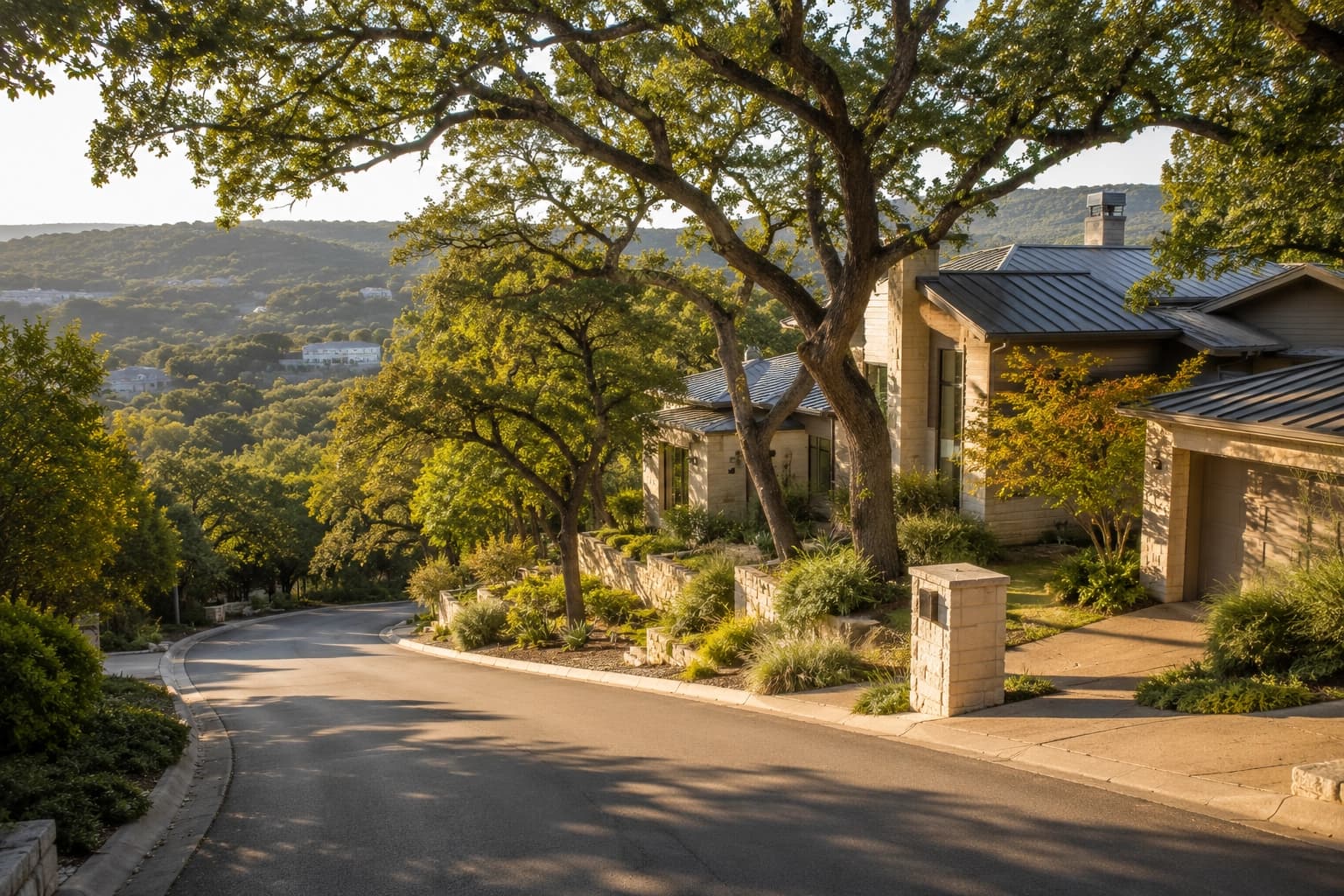
No area in the Austin real estate market is referenced more often and understood less deeply than Westlake Hills and Rollingwood.
The shorthand — 'Westlake' — covers a geography and a school district that buyers from outside Austin often conflate with a single neighborhood. In practice, Westlake Hills is an incorporated city with its own municipal government within Travis County. Rollingwood is a separate incorporated city adjacent to it. Both lie entirely within Eanes Independent School District, which is the defining feature — and the primary driver of value — for every property in the area.
Understanding Westlake Hills and Rollingwood is, at its core, understanding what makes Eanes ISD worth what it costs to live in it — and what the specific properties within that district look like at different price points.
Eanes ISD: The District That Defines the Market
Eanes Independent School District serves Westlake Hills, Rollingwood, and a small portion of the Bee Cave community in far west Austin. It is consistently rated one of the top school districts in Texas and routinely appears on national lists of the best public school systems in the country.
Westlake High School — the district's single high school — consistently produces among the highest SAT and ACT scores of any large public high school in Texas. The district's graduation rate exceeds 99%, and a significant percentage of graduates enroll in four-year universities. Advanced Placement course offerings are extensive, and the school's athletics and fine arts programs are well-resourced.
At the elementary level, Eanes ISD operates three schools: Forest Trail, Valley View, and Bridge Point. Each school serves a specific attendance zone within the district. All three are well-regarded. Every elementary school feeds into West Ridge Middle School and ultimately into Westlake High. Buyers should verify which elementary serves a specific address — and not assume based on the neighborhood name.
The Eanes ISD premium in home prices is real and documented. Comparable homes — same size, same condition, same distance from downtown — trade at 20 to 35% more inside Eanes ISD than just outside its boundaries. For buyers with school-age children, that premium is frequently justified. For buyers without school priorities, other Austin micro-markets typically offer better value at lower price points.
What Westlake Hills Looks Like: Property Types and Price Ranges
Westlake Hills is a residential city of approximately 3,200 residents, incorporated into its own municipal structure within Travis County. It has its own city government, its own permitting, and development standards that are more restrictive than the City of Austin in many respects. That restrictiveness is part of what preserves neighborhood character and limits density.
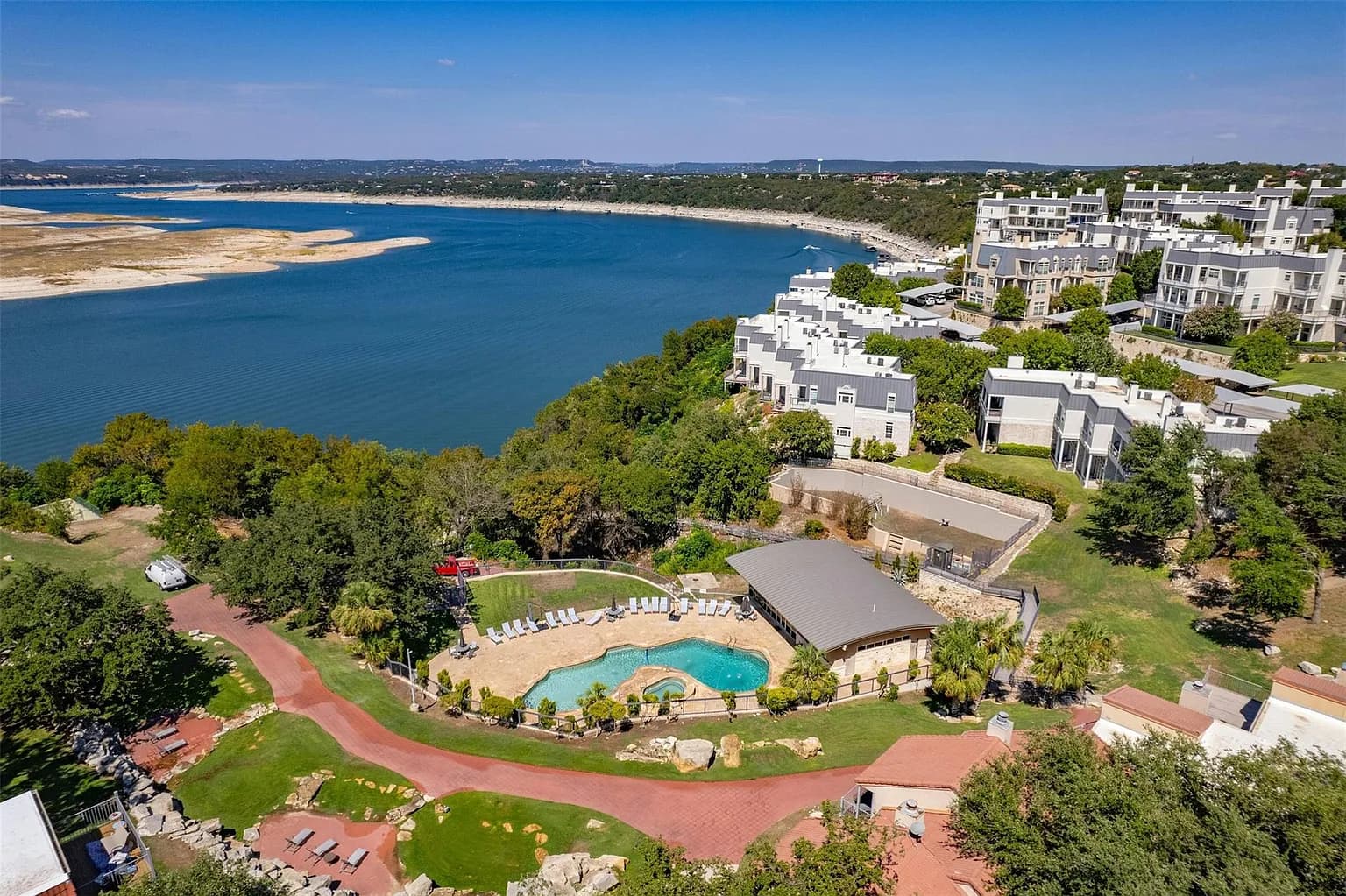
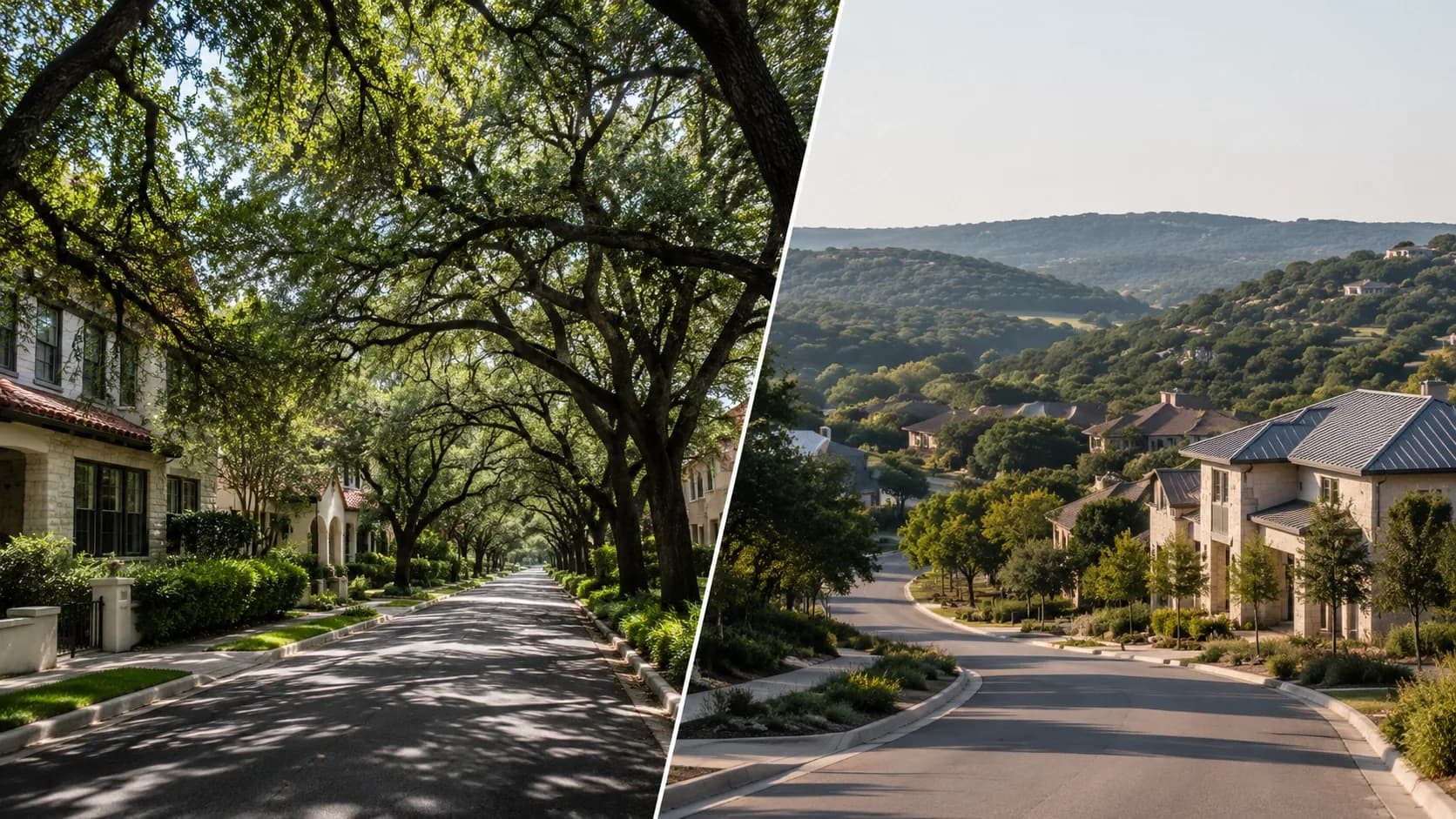
Most residential development in Westlake Hills follows a hillside pattern — homes built on sloped terrain, often with significant elevation changes from street to entry, and views in multiple directions. The dominant architectural styles range from mid-century ranch homes on generous lots to contemporary and transitional construction on infill sites.
Entry-level Westlake Hills properties — typically older ranch-style homes on reasonable lots with original finishes — start around $850,000 to $1,100,000. Mid-range properties — updated homes of 2,500 to 3,500 square feet on lots with privacy and views — range from $1,100,000 to $2,000,000. Larger or architecturally significant properties on premium lots can reach $3,000,000 to $5,000,000 or more.
Rollingwood: The More Accessible Entry Point
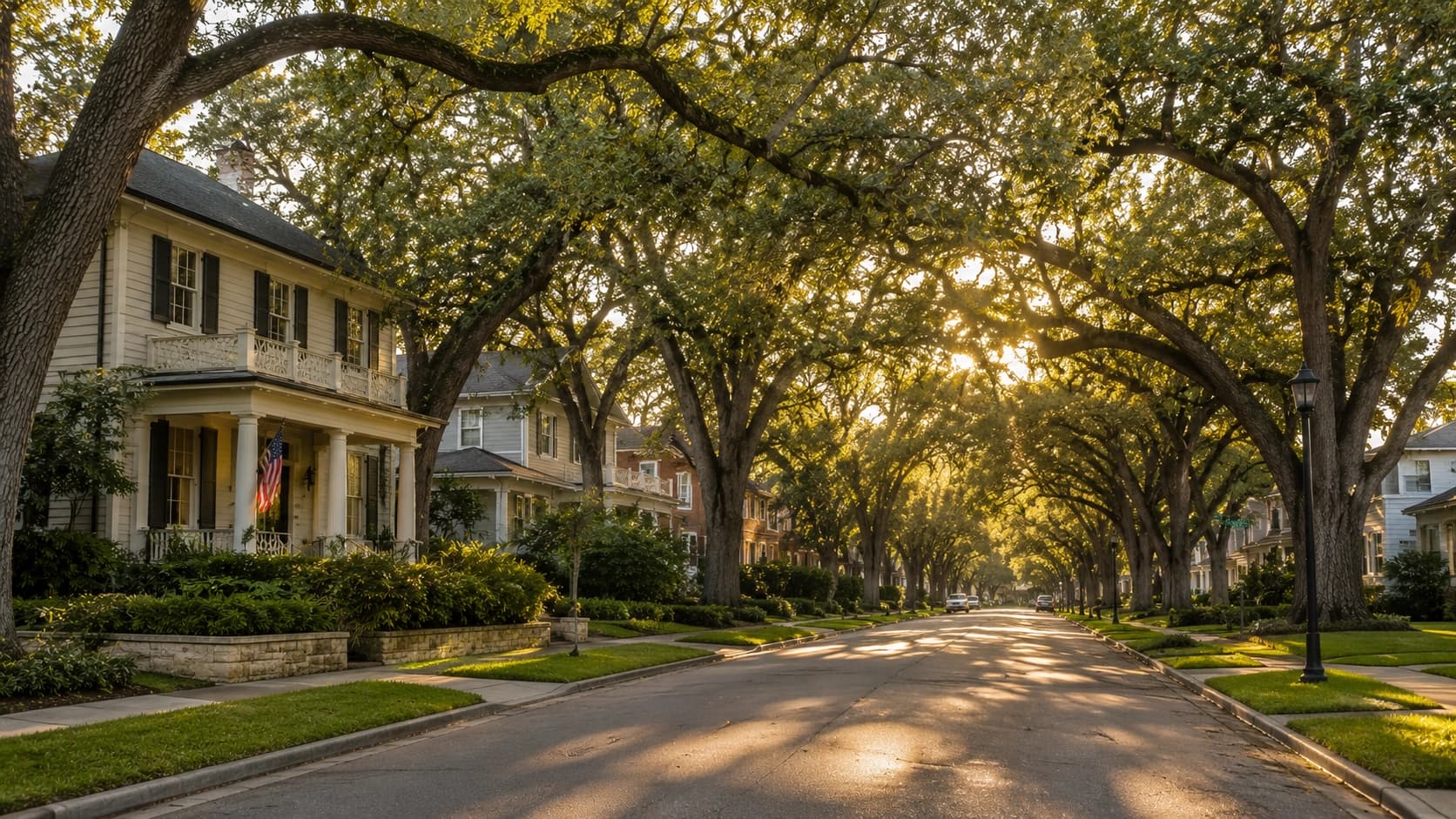
Rollingwood is a smaller city adjacent to Westlake Hills — also entirely within Eanes ISD — that tends to attract buyers who want the school district but are working within a tighter budget relative to deeper Westlake Hills properties. Rollingwood lots are generally flatter, closer to Austin's urban core, and slightly more modest in scale than the hillside properties that define much of Westlake Hills.
Rollingwood properties in 2026 typically range from $900,000 to $1,500,000 depending on size, condition, and lot. Because Rollingwood sits closer to Mopac and the urban core, commute times to downtown Austin are generally shorter than for properties farther into Westlake Hills proper.
For buyers who want Eanes ISD access at the lower end of the district's price range, Rollingwood is the most common entry point. For buyers who prioritize view lots, privacy, and the distinctly residential hill character, moving farther into Westlake Hills makes sense despite the additional cost.
Commute from Westlake to Downtown Austin
Westlake Hills and Rollingwood are west of downtown Austin, separated by Mopac (Loop 1) and the Hill Country terrain. Commute realities vary significantly by specific location within the area.
Rollingwood to downtown at 8am: approximately 20 to 30 minutes via Mopac, depending on conditions at the key interchange. At 10am, the same drive takes 12 to 18 minutes. Properties in Rollingwood near the Mopac and Bee Caves intersection are among the most commute-convenient addresses in the Eanes ISD service area.
Deeper Westlake Hills — properties on Westlake Drive, Rob Roy Road, or in the higher-elevation sections — can add 10 to 20 minutes to downtown commute times at peak hours. Many Westlake Hills internal roads are two-lane; this creates time variability that buyers accustomed to multi-lane highways underestimate.
Loop 360 (Capital of Texas Highway) forms the eastern boundary of most Westlake Hills properties and is a primary commute corridor. Traffic on 360 at peak hours is notable, though not comparable to I-35 congestion. The 360 connects to Mopac to the east and RR 2222 to the north.
Buyers who work at the Domain or the 183 Tech Corridor face a more complex commute from Westlake Hills — typically routing north via Mopac and dealing with the 183 merge. For this buyer profile, north Austin neighborhoods often represent a more commute-efficient choice.
Lifestyle in Westlake Hills and Rollingwood
Westlake Hills and Rollingwood are residential in a way that the denser parts of Austin are not. There are no significant commercial strips within the residential core, no through-traffic corridors, and very little of the pedestrian activity that defines South Congress or East Austin.
That is largely the point. Buyers who choose Westlake are explicitly choosing a quieter residential pace — oriented around backyards, cul-de-sacs, neighborhood pools, and school activities rather than walkable restaurants and bars.
Outdoor recreation is accessible: Barton Creek Greenbelt entry points are nearby, Lake Austin is reachable by car, and the Hill Country Roadway along Loop 360 connects to parks and trails. The lifestyle is fundamentally car-dependent, and residents accept that trade-off deliberately in exchange for school access and residential character.
Commercial amenities are anchored by the Davenport Village shopping center at the intersection of Loop 360 and Walsh Tarlton — home to a Central Market, restaurants, and retail. The 360 Overlook and nearby corridor along Bee Caves Road provide additional options close to the area.
Who Buys in Westlake Hills and Rollingwood
The buyer profile is fairly consistent. The most common buyer is a family relocating to Austin — often from California, the Pacific Northwest, or another high-income-tax state — with school-age children and a household income that allows them to prioritize school district above price flexibility. These buyers typically have household incomes above $250,000 and are often purchasing in the $1,200,000 to $2,500,000 range.
A secondary profile is the established Austin family doing a move-up purchase — trading a smaller home in Barton Hills or the 78704 area for more square footage and Eanes ISD access as their children reach elementary school age.
Investor buyers are present but less dominant than in urban Austin neighborhoods. The rental market in Westlake Hills and Rollingwood is thinner than in more urban areas — this market is driven by owner-occupants, not renters.
Resale Dynamics: Why Westlake Holds Value
Westlake Hills and Rollingwood have one of the most defensible resale profiles in the Austin market. Properties within Eanes ISD do not discount significantly even in broader market downturns, because the driver of demand — school access — is not correlated with office occupancy rates, tech employment cycles, or interest rate sensitivity in the way other Austin micro-markets are.
The family buyer pool that drives Westlake demand is relatively recession-resistant. High earners relocating from coastal metros continue arriving in Austin across economic cycles, because the income tax savings remain compelling regardless of interest rate conditions.
Well-maintained properties in Westlake Hills and Rollingwood have demonstrated durable appreciation over multi-decade periods. Supply is constrained — Westlake Hills is largely built out, and Rollingwood has very limited vacant land. New inventory in these areas is almost exclusively teardown-and-rebuild, which reinforces price floors throughout the district.
What Buyers Should Know Before Making an Offer
Several factors distinguish Westlake Hills and Rollingwood transactions from typical Austin purchases. First: verify the specific elementary school assignment for any address before making an offer. All Westlake Hills and Rollingwood properties fall within Eanes ISD, but the elementary assignment varies by address. Use the Eanes ISD address lookup tool or call the district office — do not assume based on the neighborhood name.
Second: septic systems are common in Westlake Hills, particularly for hillside properties not connected to the municipal sewer system. Septic inspection, capacity verification, and maintenance history are important due diligence items that are absent in more urban Austin transactions.
Third: lot topography matters significantly to usable area. A large lot that is 80% slope provides very different lifestyle value than a flat or gently sloped lot of the same nominal size. Walk the lot specifically and evaluate usable outdoor space, not just total square footage on the listing.
Fourth: deed restrictions in some Westlake Hills sections add a layer to renovation and construction planning. Understanding which restrictions apply to a specific property requires a title review — particularly relevant for buyers planning significant additions or rebuild projects.