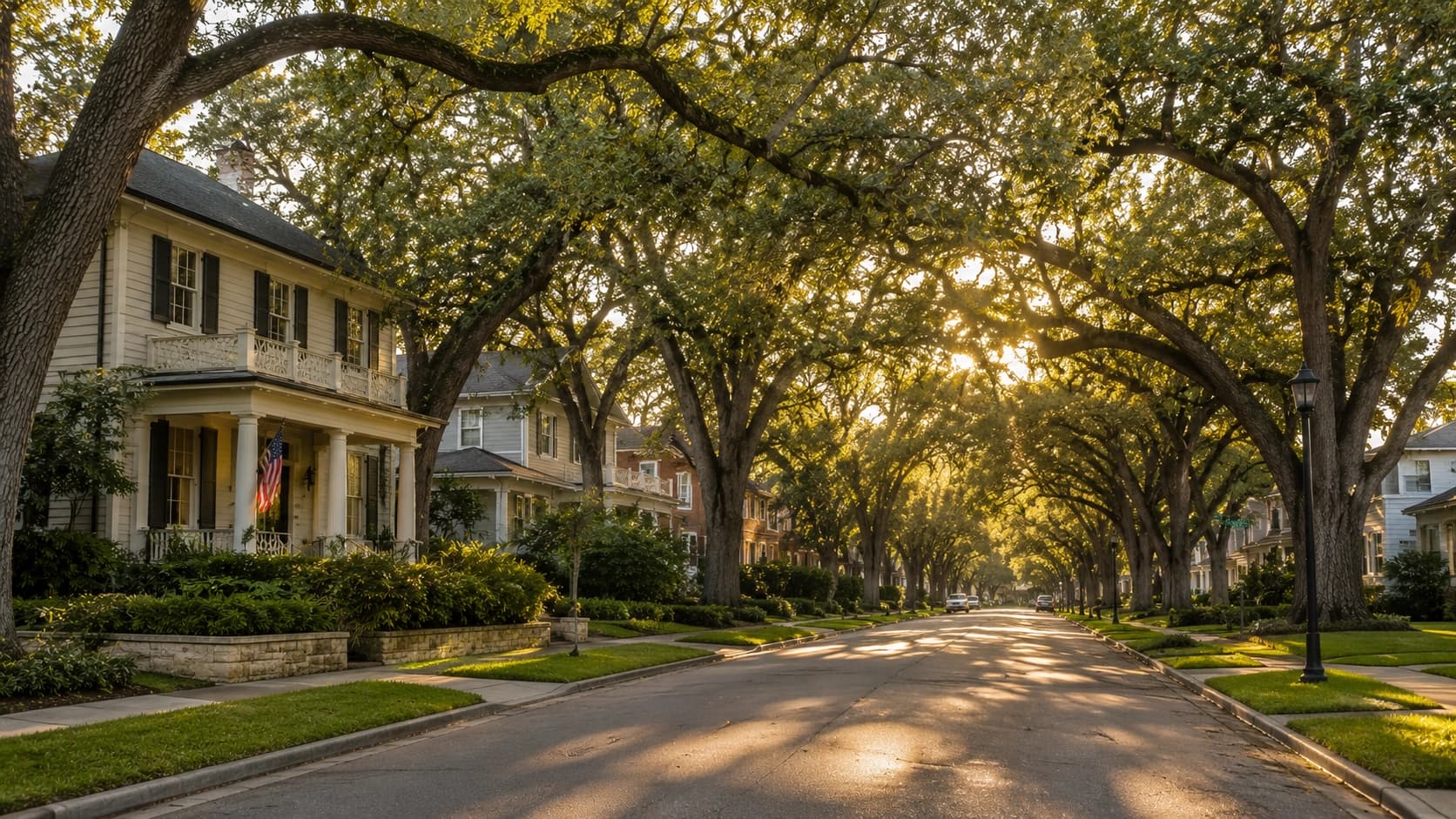
Tarrytown occupies a specific place in Austin's residential hierarchy that has nothing to do with hype and everything to do with scarcity.
It is one of the few genuinely established neighborhoods in Austin's urban core — a place where the streets feel mature, the lots are generous, and the oak canopy has had decades to grow into something irreplaceable. It is also one of the most consistently sought-after addresses in the city, for reasons that hold across interest rate environments, tech cycles, and broader market fluctuations.
Understanding Tarrytown requires understanding what Austin's central neighborhoods have historically been, what is happening to them now, and why Tarrytown specifically has maintained a level of demand and value that few other central Austin neighborhoods can match.
Where Tarrytown Is and How It Feels
Tarrytown is bounded roughly by Mopac (Loop 1) to the east, Lake Austin Boulevard and the lake to the west, 35th Street to the north, and the Windsor Road corridor to the south. Within those boundaries, Tarrytown encompasses some of the most coveted residential streets in Austin — including Pecos Street, Balcones Drive, Enfield Road, and the blocks surrounding Tarrytown Park.
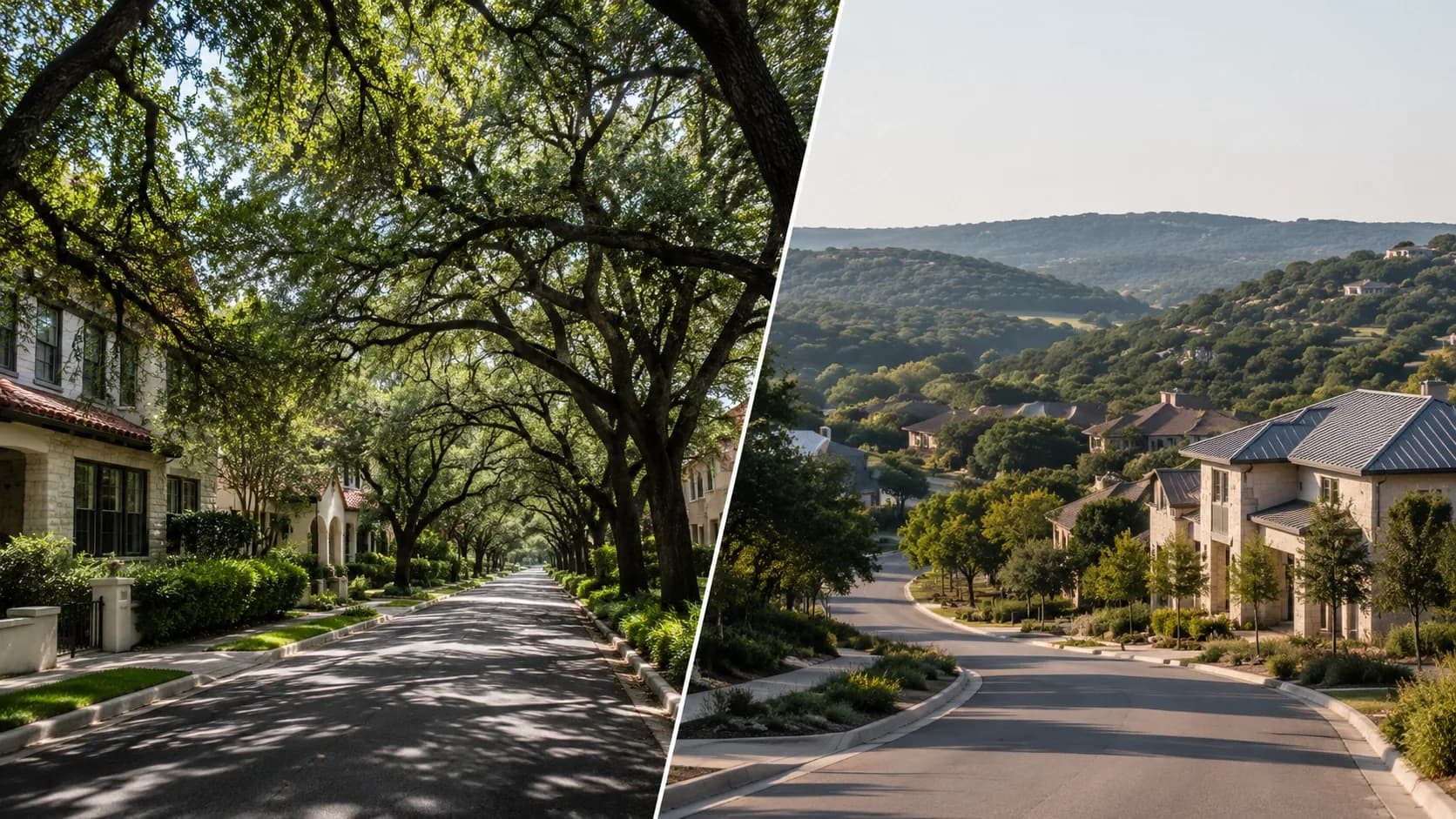
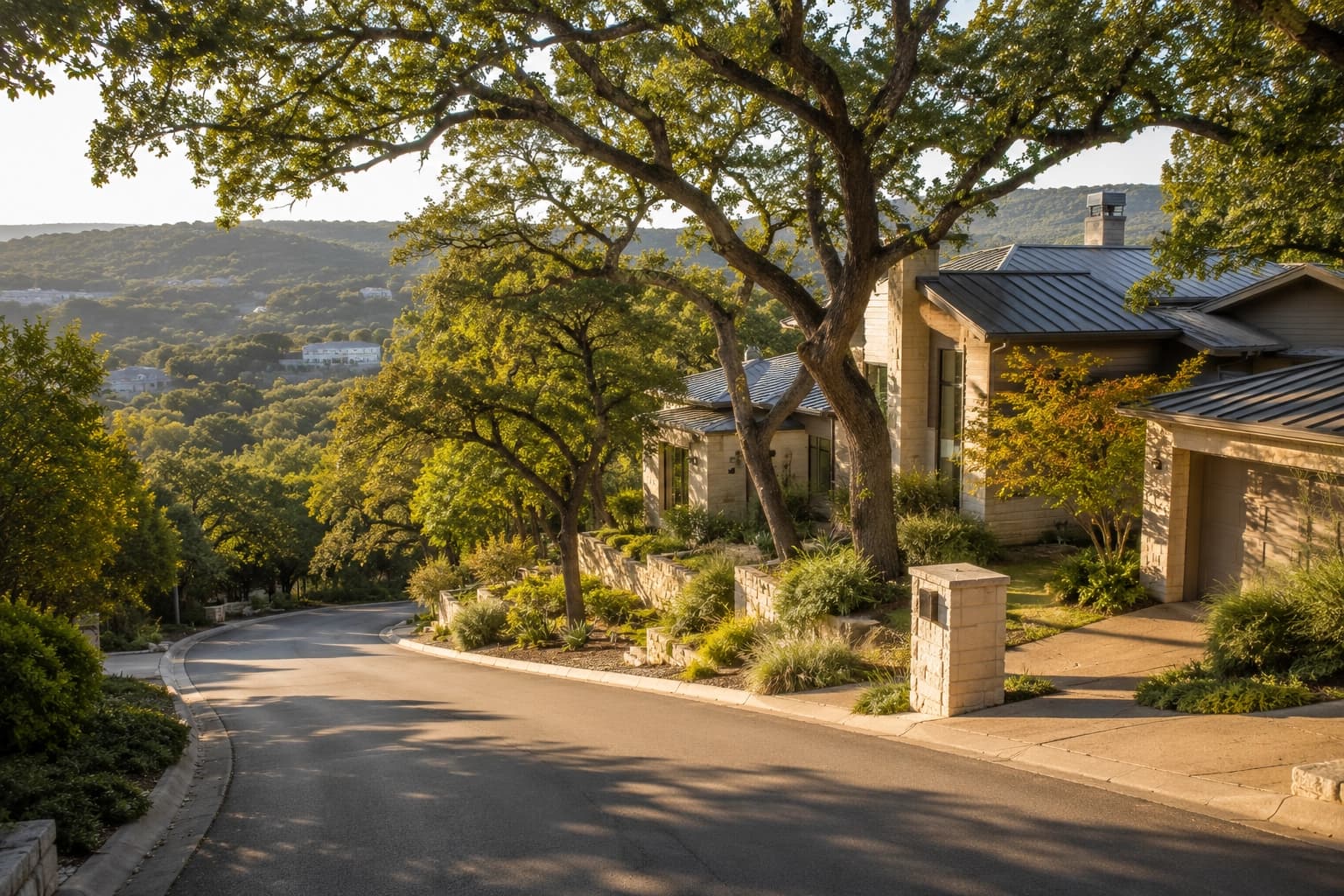
The neighborhood's character is defined by its tree canopy. Tarrytown has some of the largest, most established live oak trees of any urban Austin neighborhood — trees that took seventy to a hundred years to reach their current scale and that cannot be replaced on a human timeline. This canopy does something specific to how the neighborhood feels: it creates shade, dampens sound, and gives blocks a sense of enclosure and maturity that new construction communities in outer Austin simply cannot replicate.
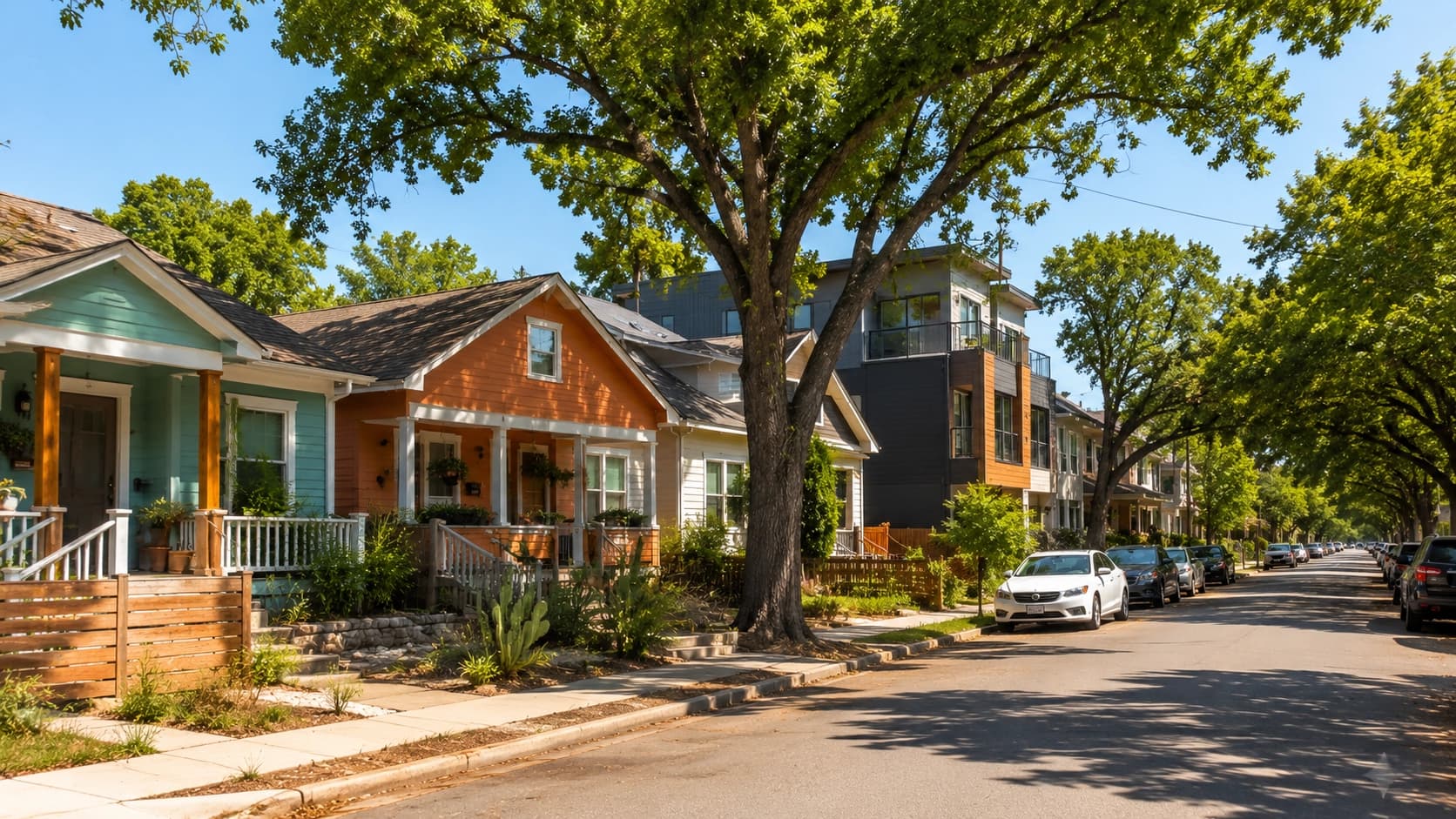
The residential fabric reflects decades of investment and owner pride. Craftsman bungalows from the 1920s and 1930s sit alongside mid-century moderns, colonial revivals, and newer construction on lots where older structures have been demolished. Renovation cycles have brought updated kitchens, primary suite additions, and modern finishes to many older homes without erasing their scale and lot character.
Casis Elementary: The Single Most Consequential Factor in Tarrytown Pricing
Most of Tarrytown falls within the Casis Elementary attendance zone — and Casis Elementary is, by most measures, the most sought-after elementary school assignment within Austin ISD. It consistently earns high ratings from state and independent sources, maintains strong parent engagement, and feeds into O. Henry Middle School and Austin High School, which together form the most academically regarded AISD high school feeder pattern in central Austin.
The Casis premium is measurable and documented. Homes within the Casis zone trade at a consistent premium over comparable homes one or two blocks outside the zone — even when those neighboring homes are in every other respect equivalent. For families with school-age children, that premium is frequently the determining factor in a purchase decision.
Buyers should always verify the specific school assignment at the exact property address. Austin ISD has redrawn attendance boundaries periodically, and a home's proximity to the Tarrytown neighborhood core does not guarantee Casis zoning. The district's address lookup tool and a direct call to AISD are the only reliable verification methods.
What Homes in Tarrytown Actually Look Like
Tarrytown's housing stock is more varied than buyers expect from a premium neighborhood. The range runs from original 1930s and 1940s bungalows in need of updating to extensively renovated historic homes to new construction built on teardown lots.
Original bungalows and cottage-style homes — smaller square footage, original character, older systems — represent the entry layer of the Tarrytown market. These properties in genuine need of work can enter the market below $1,200,000, though they are rare and attract immediate interest from buyers who understand what they are getting: a lot in Tarrytown with the original structure, at the lowest possible price point.
The mid-range of the Tarrytown market consists of renovated or substantially updated homes — 2,500 to 4,000 square feet, modernized kitchens and primary suites, updated mechanical systems, and maintained lot character. These properties typically range from $1,400,000 to $2,500,000 depending on size, condition, and specific street.
The upper end of Tarrytown consists of significantly rebuilt or newly constructed homes on premium lots — larger footprints, architecturally designed new builds, and properties with lake views or lake access from the western edge of the neighborhood. These transactions regularly reach $3,000,000 to $5,000,000 and occasionally beyond.
Lot sizes in Tarrytown run larger than most central Austin neighborhoods — commonly 7,500 to 12,000 square feet for interior lots, with some estate lots along the neighborhood's edges reaching a quarter acre or more. This lot scale, combined with the tree canopy, is part of what makes Tarrytown feel different from denser central Austin neighborhoods.
The Teardown Question
Tarrytown has seen significant teardown activity over the past decade, as investors and buyers have purchased original structures, demolished them, and built larger, more contemporary homes. This activity has changed parts of the neighborhood character — adding square footage and modern finishes but sometimes replacing architecturally significant older structures.
For buyers interested in original Tarrytown character, the specific block and surrounding structures matter. Streets with a higher concentration of renovated originals have a different feel than blocks where teardown rebuilds dominate. A walkthrough with someone who knows the neighborhood block by block is worth doing before making an offer.
Austin has tree protection ordinances that affect what can be built on Tarrytown lots — protected heritage oaks cannot be removed without a permit and mitigation process. For buyers planning significant renovations or new construction, understanding which trees on a property have protected status is part of pre-purchase due diligence.
Commute and Walkability
Tarrytown's location west of downtown Austin and inside Mopac gives it one of the most favorable commute profiles of any central Austin neighborhood. Downtown Austin is typically 10 to 15 minutes from most Tarrytown addresses at peak hours — shorter than most 78704 properties during heavy traffic.
The neighborhood has limited walkability to grocery and retail — Jefferson Square, Tarrytown's small commercial node on Exposition Boulevard, offers a few shops and the beloved Tarrytown Pharmacy. The nearest full grocery is at the Westlake Randalls or the Central Market on North Lamar. For walkable grocery access, Tarrytown requires a short drive — something buyers accustomed to Bouldin or South Congress should factor in.
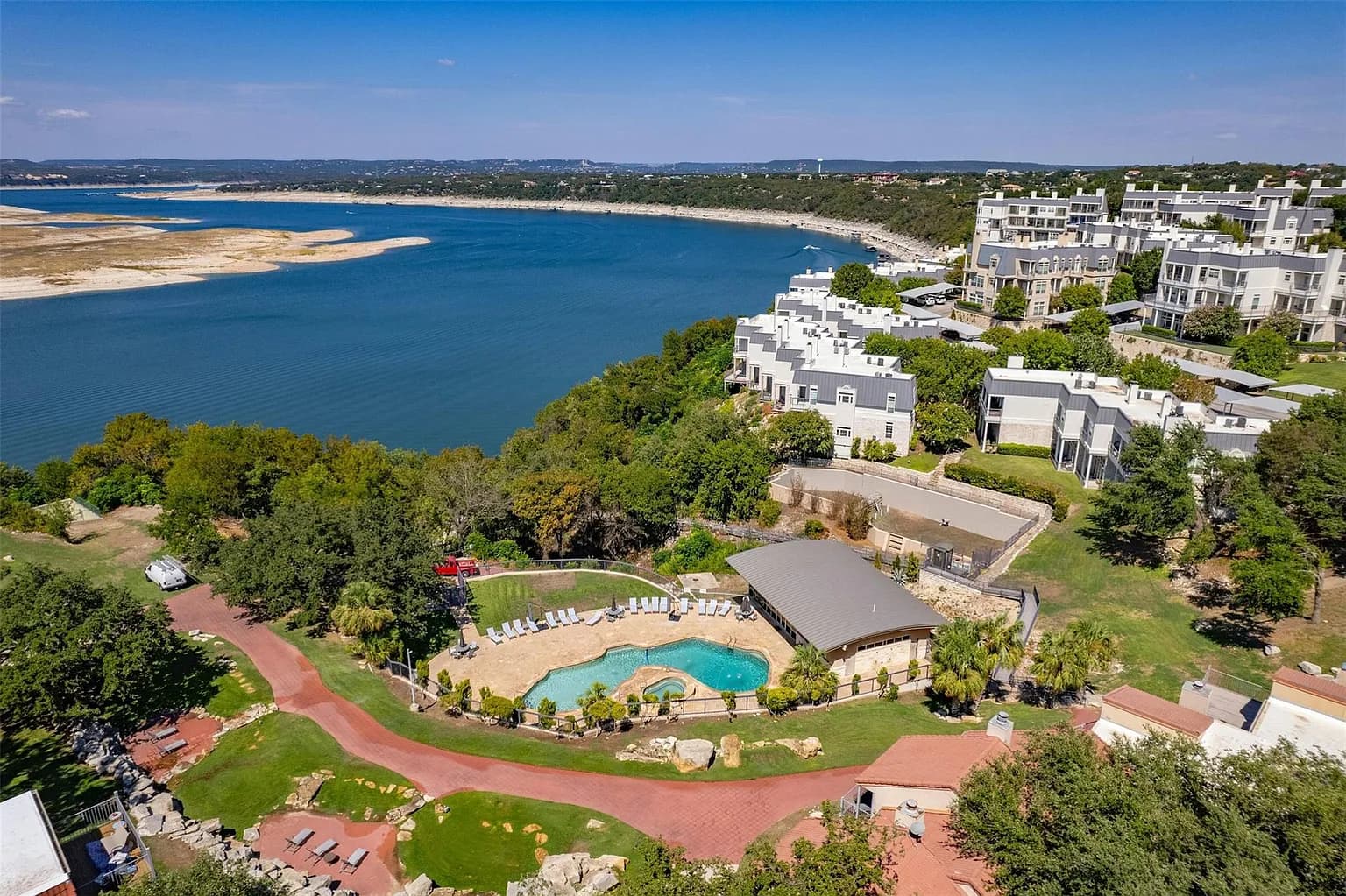
The adjacency to Lake Austin's shoreline on the neighborhood's western edge is a genuine lifestyle asset. Several streets in western Tarrytown have lake access or water views, and the Eilers Park boat ramp provides community water access for all residents. This proximity to the lake is not replicated in any other central Austin neighborhood at comparable distance from downtown.
Who Buys in Tarrytown
The Tarrytown buyer profile skews toward established Austin families — people who grew up in Austin or have lived here long enough to understand what the neighborhood represents — and toward relocation buyers who have done enough research to know that Tarrytown is where they want to end up.
The most common buyer profile is a family with school-age children for whom the Casis elementary zone is the primary motivator. These buyers are typically comparing Tarrytown to Westlake Hills and making a deliberate choice: Tarrytown means a shorter commute to downtown and a more urban residential character, with Casis Elementary as the school anchor. Westlake means Eanes ISD and a more suburban residential environment. Both are deliberate choices made by informed buyers.
A second buyer profile is the established Austinite making a significant move-up purchase — often trading up from a smaller 78704 or Clarksville home, or consolidating a larger home elsewhere for a more manageable but premium Tarrytown address.
Resale Strength and Long-Term Value
Tarrytown's resale profile is among the strongest in the Austin market, driven by three factors that are unlikely to change: proximity to downtown, the Casis Elementary zone, and the irreplaceable lot and tree canopy character.
These factors have held value through multiple Austin market cycles. During the 2022 to 2024 period of broader Austin price correction, Tarrytown experienced less price softening than outer-ring and suburban communities — because the buyer pool for Tarrytown is less rate-sensitive than the broader market. Tarrytown buyers typically have the financial profile to absorb rate fluctuations; they are not stretching to the edge of their budget to get there.
Inventory in Tarrytown is persistently low. Annual turnover in the neighborhood is among the lowest of any desirable Austin area — owners tend to stay for long periods. This supply constraint maintains price floors even in softer markets. When a well-positioned Tarrytown property comes to market, it typically attracts significant buyer attention quickly.
Foundation Considerations
Tarrytown's older housing stock means pier-and-beam foundations are common in the original homes, particularly those built before 1960. Pier-and-beam foundations are repairable and well-understood in Austin, but they require specific inspection attention — looking for leveling needs, moisture intrusion under the house, and wood member condition.
Buyers coming from newer-construction backgrounds sometimes treat pier-and-beam as a concern when it is simply a characteristic of older construction. A qualified inspector who understands central Austin's older housing stock can assess a pier-and-beam home accurately and put findings in the right context.
Slab foundations are standard in newer Tarrytown construction and rebuilds from the past twenty-plus years. Austin's expansive clay soils mean that slab foundations in this area warrant inspection attention regardless of a home's age.